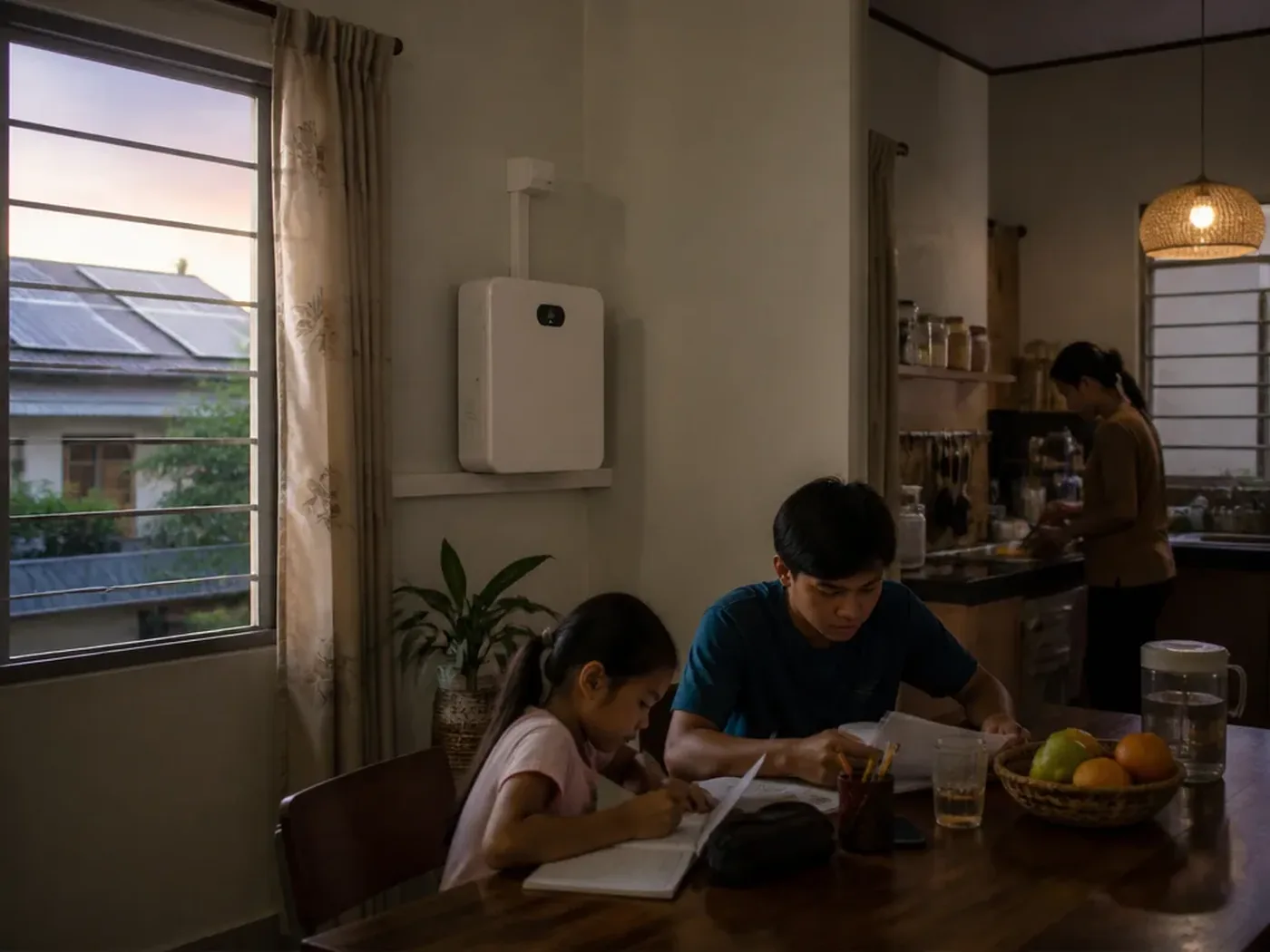
Mini ESS for household backup and solar storage
Start with your voltage and loads.

Home Power Solutions

Find the right Mini ESS
for your everyday power.

Choose by local voltage, installation, appliance load and charging method. A clear starting point for home backup, solar storage and small-business power.

W
300–2000WOutput Range
Wh
800–4000WhCapacity Range
19
19 ModelsMini ESS

YDPOWER SELECTION GUIDE

Choose a Mini ESS for the way you use power

Thank you for your interest in YDPOWER Mini ESS. The range covers 300W–2000W continuous output and 800Wh–4000Wh battery capacity for home backup, solar energy storage, outdoor power, small business backup and emergency use. Start with the operating environment and the devices you want to power.

Match the local power standard and installation

Check the AC standard in the country or region where the product will be used. For 110V applications, look for models marked US; for 220V applications, look for models marked EU. Confirm the exact voltage range, frequency and socket type in the specifications of the selected model.

If you want to mount the product on a wall, choose the W series, which supports wall-mounted installation. For other installation needs, compare the product dimensions and placement requirements before selecting a model.
Match daily energy use, load power and charging

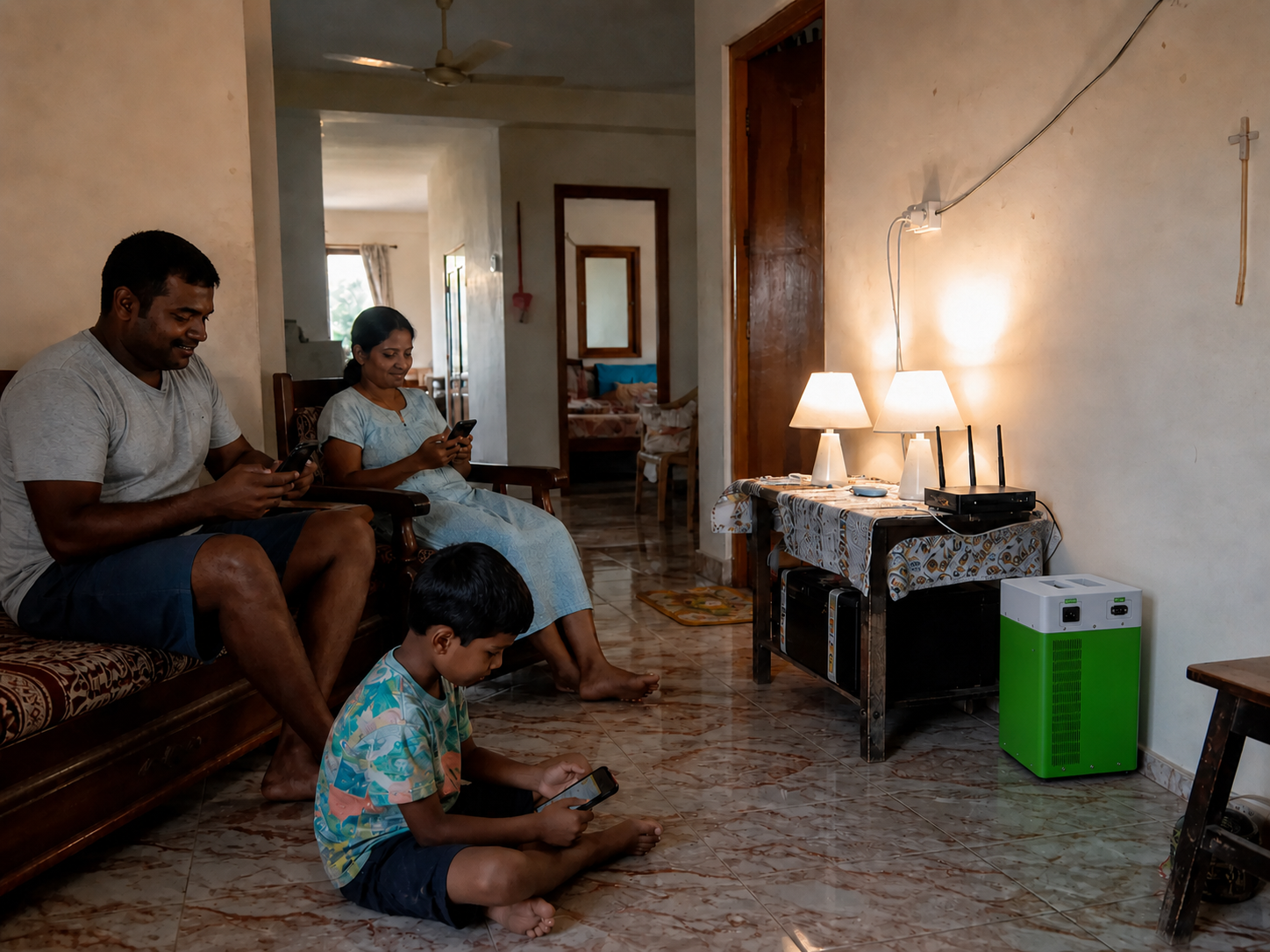
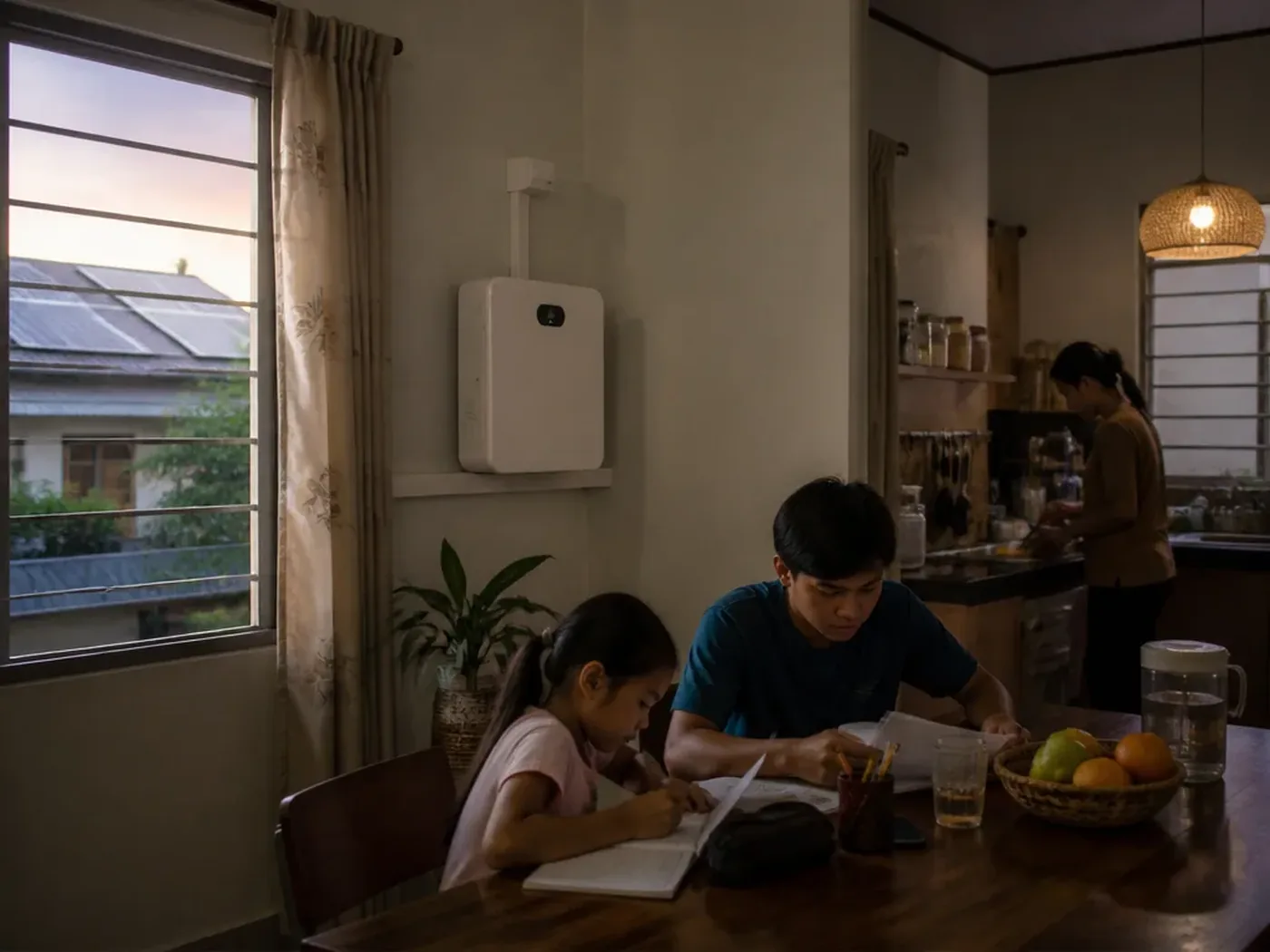
Choose battery capacity according to your daily off-grid energy use and the hours of backup you need. Then add up the power of appliances that will run at the same time and compare it with the model’s continuous output rating. Battery capacity in Wh and output power in W answer different questions, so check both when comparing models.

Some models also list a separate pure sine wave power rating. In YDPOWER’s selection guide, this is the rating to check for inductive loads, such as refrigerators, power drills and air conditioners; the continuous output figure covers the combined inductive and resistive load. Check the applicable rating and motor start-up demand for your appliances before choosing a model.

If you plan to recharge only from solar panels, consider a B series model supplied without an AC-DC adapter as a more economical option. Match the solar panel specifications to the model’s charging input. If AC charging is also needed, confirm adapter compatibility and the accessories included with that model.

PRODUCT SELECTION

Find your Mini ESS in four steps.

  1. 01

    Match your local voltage

    Choose US for 110V or EU for 220V. Confirm frequency and sockets for your market.

    Check model specifications →
  2. 02

    Choose where it will sit

    Choose W series for wall mounting. Compare A and B series for freestanding or portable use.

    Explore W series →
  3. 03

    Match power and runtime

    Add the loads used together, check motor start-up demand, then choose battery capacity for the hours you need.

    Compare power and capacity →
  4. 04

    Choose how to recharge

    For solar charging, consider B series without an AC-DC adapter. For AC charging, verify the selected model and included accessories.

    Explore B series →

Have a device list? Send the wattages, required hours and destination country for model advice.

Get model advice →

COMMON APPLICATIONS

Power for home, solar and everyday business.

SELECTION QUESTIONS

Before you choose a model

How do I choose between US and EU models?

The selection guide identifies US models for 110V and EU models for 220V, at 50–60Hz. Confirm the exact output voltage, frequency and socket configuration for your destination before ordering.

Can I use a Mini ESS with a refrigerator or power tool?

Check both running power and start-up demand. Where a model lists a separate pure sine wave power rating for inductive loads, use that rating when assessing motors and compressors. A continuous output figure alone does not confirm compatibility.

Does the B series include an AC-DC adapter?

The B series is supplied without an AC-DC adapter and is an option for buyers planning solar charging. Adapter compatibility and other charging inputs vary by model; check the specification and packing list before ordering.

How do power and battery capacity affect my choice?

Power in watts (W) limits the devices you can run together. Capacity in watt-hours (Wh) affects how long they can run. YDPOWER Mini ESS models cover 300W–2000W and 800Wh–4000Wh; actual runtime depends on load, usable energy and conversion losses.

We use only necessary browser storage to remember privacy preferences and support core site functions.